 English
 ไทย
 မြန်မာ
 中文
 العربية

Neuropathic Pain
Neuropathic Pain: From Mechanisms to Mechanism-Based Treatment
“When pain is no longer caused by tissue injury.” Most people are familiar with physiological nociceptive pain that acts as an early warning system following tissue damage—such as abrasions, myofascial inflammation, or bone fractures—which typically resolves as the injury heals. However, neuropathic pain operates under an entirely different pathophysiological paradigm.
Patients suffering from this condition frequently experience burning, dysesthetic, lancinating, or electric shock-like sensations, persisting long after primary tissue healing has occurred. In many cases, neuroimaging modalities like MRI or neurophysiological studies (nerve conduction studies) fail to reveal overt structural lesions. This debilitating entity originates from intrinsic neural lesions or functional disease within the somatosensory nervous system, involving peripheral nerves, the spinal cord, or the brain.
Q&A: Definition, Prevalent Etiologies, and Holistic Impact
What is Neuropathic Pain?
The International Association for the Study of Pain (IASP) defines neuropathic pain as “pain caused by a lesion or disease of the somatosensory nervous system.” Rather than transmitting physiological sensory input normally, the nervous system itself acts as the aberrant generator of nociceptive signaling. It can be conceptualized as damaged electrical wiring discharging continuous ectopic currents without an external closed circuit or trigger switch.
Common Etiologies Managed in Pain Clinics
- Diabetic Peripheral Neuropathy (DPN)
- Postherpetic Neuralgia (PHN)
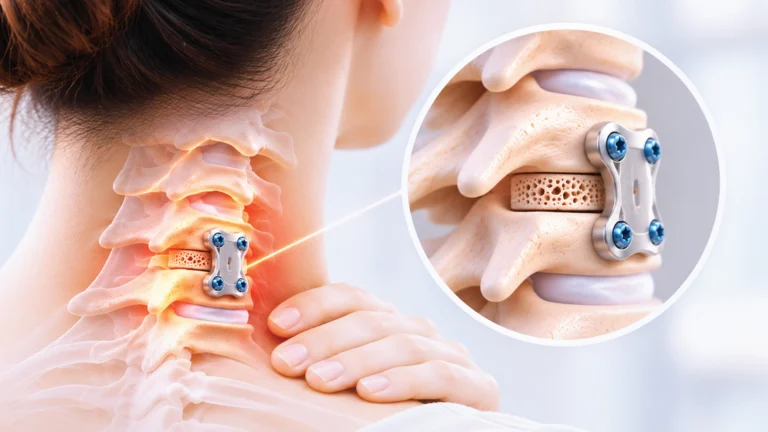
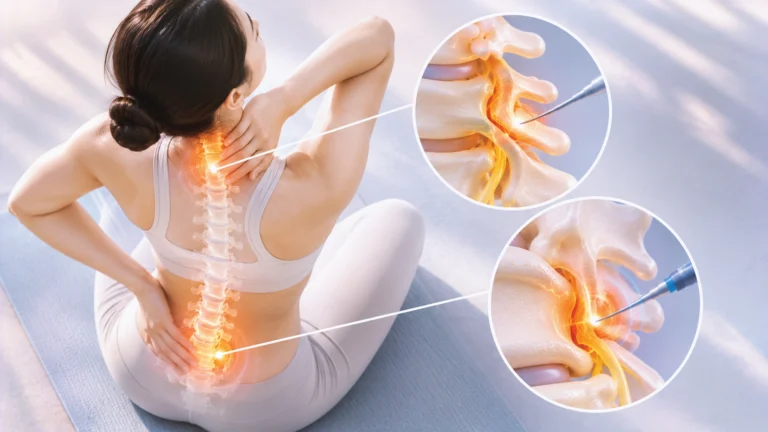
- Cervical or Lumbar Radiculopathy
- Chronic Post-Surgical Pain (CPSP)
- Complex Regional Pain Syndrome (CRPS)
Beyond Isolated Pain: Systemic Impact
Pain medicine specialists classify neuropathic pain as a multidimensional disease that severely compromises overall health-related quality of life. It frequently induces a comorbid symptom cluster, including sleep disturbances, chronic fatigue, impaired concentration, anxiety, and clinical depression. Consequently, patients experience functional disability, diminished work productivity, and significant loss of psychosocial independence.
Q&A: Diagnostic Limitations of Neuroimaging and Electrodiagnostics
Why do patients continue to experience severe pain despite normal MRI or nerve conduction studies?
This is among the most frequent clinical conundrums encountered in pain centers. The nervous system possesses molecular and microstructural complexity far exceeding the diagnostic resolution of standard modalities. Numerous patients exhibit pathological neuronal hyperexcitability or central network alterations that conventional MRI or electromyography/nerve conduction studies (EMG/NCS) simply cannot delineate.
Clinical Criterion: Normal radiologic or electrodiagnostic findings do not invalidate the patient’s experienced pain. The diagnosis of neuropathic pain fundamentally relies on structured history taking, sensory phenotype mapping, and rigorous clinical neurological examination.
Molecular Mechanisms and Pathophysiological Remodeling
Modern pain medicine has transitioned from viewing neuropathic pain merely as localized peripheral nerve trauma toward recognizing it as comprehensive nervous system dysregulation coupled with neuroimmune activation:
- Spontaneous Ectopic Discharge
Following primary neuronal injury and aberrant axonal regeneration, injured or neighboring intact primary afferents develop abnormal spontaneous electrical discharges without external stimuli. The central nervous system constantly processes these signals as persistent nociception, manifesting clinically as burning dysesthesias, shooting pains, paroxysmal electric-like sensations, or hyperpathia. - Central Sensitization
Pathological hyperexcitability propagates from peripheral fibers to the dorsal horn of the spinal cord and ascending central pathways. Once central sensitization develops, synaptic transmission is markedly amplified, resulting in allodynia—where innocuous tactile stimuli (e.g., light touch, moving air, clothing contact) provoke severe pain. - Neuroinflammation & Microglial Activation
Localized neuroinflammation within both the peripheral and central nervous systems drives chronic pain circuits. Microglia—the resident immunocompetent cells of the central nervous system—undergo phenotypic activation in response to neural injury, releasing pro-inflammatory cytokines and chemokines that perpetuate chronic neuronal hyperexcitability. Target-directed regulation of this neuroimmune cascade represents a key therapeutic pipeline in novel drug development. - Dysregulation of Voltage-Gated Sodium Channels
A crucial molecular breakthrough involves the altered expression and kinetics of voltage-gated sodium channels governing neuronal action potential firing. Specific channel subtypes, particularly Nav1.7, Nav1.8, and Nav1.9, play central roles in driving ectopic firing and hyperexcitability in neuropathic pain states. - Maladaptive Neuroplasticity
Functional brain imaging studies validate that persistent nociceptive signaling causes profound structural and functional reorganization across cortical and subcortical regions involved in nociception, emotional regulation, cognitive processing, executive decision-making, and sleep-wake architecture.
A Paradigm Shift: Mechanism-Based Treatment
Contemporary clinical management has evolved from conventional symptom-based treatment toward mechanism-based therapy, shifting the primary clinical question from “Where does it hurt?” to “Which underlying pathophysiological mechanisms drive this pain?”
| Target Pathophysiological Dimension | Modern Clinical Paradigms and Modalities |
| 1. Neuromodulating Pharmacotherapy | • Primary agents are neuromodulating drugs targeted at hyperactive neuronal transmission rather than classical peripheral analgesics. • First-line / standard pharmacotherapy: Pregabalin, Gabapentin, Mirogabalin, Duloxetine, and Amitriptyline. • Novel ligands, such as Mirogabalin, provide optimized binding kinetics designed to improve tolerability and reduce CNS adverse effects (e.g., somnolence, cognitive blunting) in sensitive populations. |
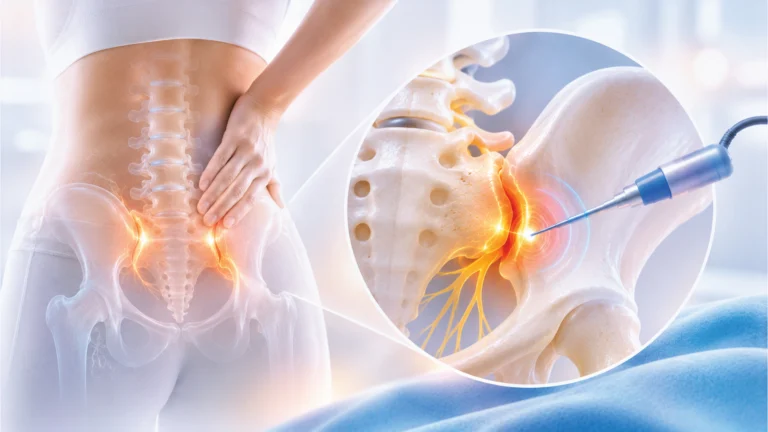
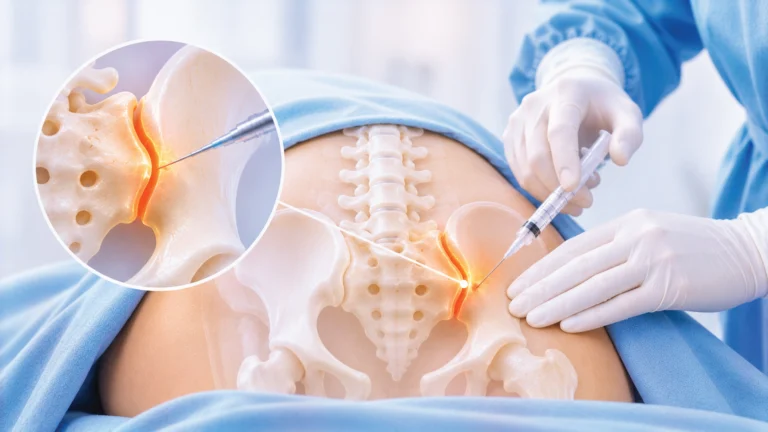
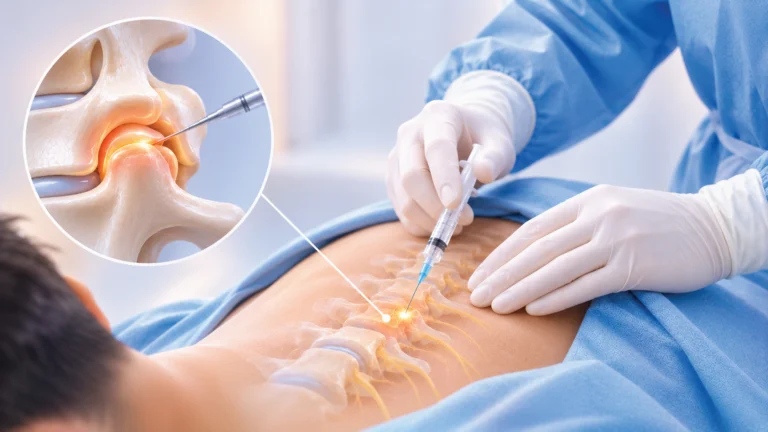
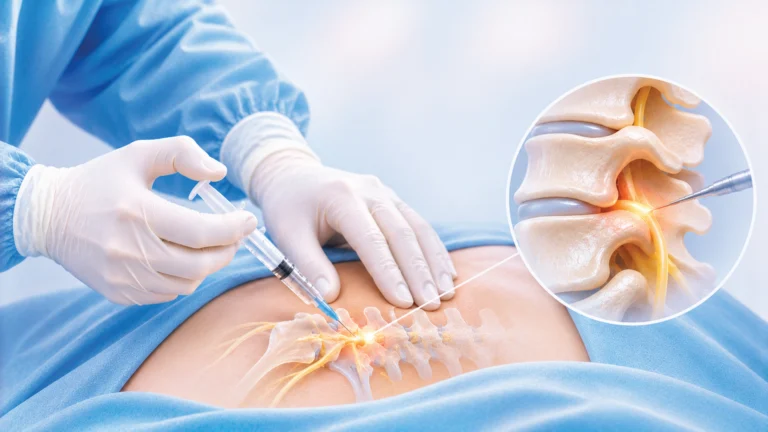
| 2. Interventional Pain Management | • Indicated when conservative systemic pharmacotherapy demonstrates inadequate efficacy or dose-limiting toxicity. • Interventional modalities: Targeted diagnostic/therapeutic nerve blocks, epidural steroid/local anesthetic injections, and radiofrequency ablation (pulsed or thermal RFA). • Primary therapeutic objective: Substantial pain relief to facilitate functional restoration and active participation in physical therapy/rehabilitation. |
| 3. Neuromodulation Technology | • Spinal Cord Stimulation (SCS): Implantation of epidural leads delivering targeted electrical fields to modulate abnormal dorsal column and dorsal horn signaling circuits. Advanced modern platforms utilize patient-tailored waveforms, including high-frequency (10 kHz), burst, and closed-loop stimulation. • Vagus Nerve Stimulation (VNS): Modulation of autonomic signaling to downregulate neuroinflammation via the cholinergic anti-inflammatory pathway, currently undergoing active translational and clinical investigation. |
- References
- Rugnath R, Orzechowicz C, Newell C, Carullo V, Rugnath A. A Literature Review: The Mechanisms and Treatment of Neuropathic Pain-A Brief Discussion. Biomedicines. 2024;12(1):204. doi:10.3390/biomedicines12010404.
- Pessôa BL, Hauwanga WN, Thomas A, Valentim G, McBenedict B. A Comprehensive Narrative Review of Neuropathic Pain: From Pathophysiology to Surgical Treatment. Cureus. 2024;16(4):e58025. doi:10.7759/cureus.58025.
- Moisset X. Neuropathic Pain: Evidence-Based Recommendations. La Presse Médicale Open. 2024;5:100061. doi:10.1016/j.lpmope.2024.100061.
- Mauermann ML, Staff NP. Peripheral Neuropathy: A Review. JAMA. 2026;335(3):255-266. doi:10.1001/jama.2025.19400.
- Dash SS, Khatri NK, Divyateja S, Bhate J, Rao GKS. Advances in Neuropathic Pain Management: A Review of Real-World Studies. Journal of Current Research in Scientific Medicine. 2024;10(1):15-24. doi:10.4103/jcrsm.jcrsm_132_23.
- Colloca L, Ludman T, Bouhassira D, et al. Neuropathic Pain. Lancet. 2017;330(10111):2306-2315. doi:10.1016/S0140-6736(17)31402-4.
- Finnerup NB, Kuner R, Jensen TS. Neuropathic Pain: From Mechanisms to Treatment. Physiological Reviews. 2021;101(1):255-301. doi:10.1152/physrev.00045.2019.
- Jensen TS, Karlsson P, Gylfadottir SS, et al. Painful and Non-Painful Diabetic Neuropathy, Diagnostic Challenges and Implications for Future Management. Brain. 2021;144(6):1632-1465. doi:10.1093/brain/awab069.
- Baron R, Binder A, Wasner G. Neuropathic Pain: Diagnosis, Pathophysiological Mechanisms, and Treatment. Lancet Neurology. 2010;9(8):807-819. doi:10.1016/S1474-4422(10)70143-5.
- Finnerup NB, Attal N, Haroutounian S, et al. Pharmacotherapy for Neuropathic Pain in Adults: A Systematic Review and Meta-analysis. Lancet Neurology. 2015;14(2):162-173. doi:10.1016/S1474-4422(14)70251-0.
- Attal N, Bouhassira D, Baron R. Diagnosis and Assessment of Neuropathic Pain Through Questionnaires. Lancet Neurology. 2018;17(5):456-466. doi:10.1016/S1474-4422(18)30071-1.