 English
 ไทย
 မြန်မာ
 中文
 العربية

To understand the matter.ดูดไขมันต้นขา ตั้งแต่สาเหตุ อาการ การวินิจฉัย และแนวทางการรักษาโดยทีมแพทย์เฉพาะทางด้านศัลยกรรมความงาม โรงพยาบาลเซเปี้ยนซ์
ดูดไขมันต้นขา: ภาพรวมและแนวทางการดูแลทางการแพทย์
Thigh Liposuction: Optimal Body Shaping Starts with an Understanding of Your Body Shape. The shape of your thighs is determined by several factors, including subcutaneous fat amount, muscle structure, skin elasticity, and overall body proportions. Even those who maintain a healthy lifestyle and exercise regularly may still experience localized fat accumulation that doesn't respond as well to lifestyle changes as desired.
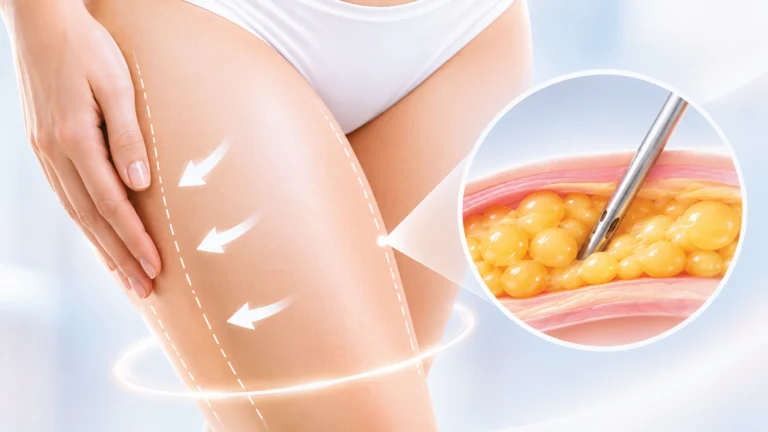
Thigh liposuction This is a surgical procedure that removes a portion of subcutaneous fat to help reshape the thighs for a more aesthetically pleasing overall body shape. The treatment focuses not only on reducing thigh size but also on achieving a balance between the inner, outer, front, and knee areas, as well as skin smoothness and overall proportion changes in each region.
At Sapiens Hospital, liposuction planning begins with an evaluation by a surgeon to determine whether the primary problem is subcutaneous fat or if other factors are involved. This includes discussing feasible goals, limitations, and risks of the treatment.
Who is thigh liposuction suitable for?
It may be considered in those who:
- There is subcutaneous fat accumulation specifically in the thigh area.
- It has a relatively stable shape and weight.
- The patient is in overall good health and suitable for surgery.
- The skin has sufficient elasticity for shaping.
- Understand the limitations of liposuction and have realistic expectations.
การดูดไขมันไม่ใช่วิธีรักษาโรคอ้วน ไม่สามารถกำหนดตายตัวเรื่องว่าจะลดเซลลูไลต์หรือแก้ปัญหาผิวหนังหย่อนคล้อยได้ และไม่สามารถกำหนดตายตัวเรื่องว่าต้นขาทั้งสองข้างจะมีขนาดหรือรูปทรงเหมือนกันทุกประการ
Personalized Treatment Planning
Plan personalized treatment.
The selection of the liposuction area, the amount of fat to be removed, and the technique to be used must take into consideration the physique, health, skin elasticity, and safety of each individual patient.
Schedule an appointment to consult with a surgeon.
Get an assessment to understand the options, benefits, limitations, and risks before deciding on treatment.
AREAS & TECHNIQUES
Areas of the thigh that can be assessed for liposuction (Thigh Contouring): Each thigh area has different anatomical characteristics and precautions. Therefore, planning should consider the overall shape, not just specific points.
1. Inner thighs Inner Thigh
This procedure is suitable for evaluating individuals with fat accumulation on the inner thighs. The doctor will consider the thickness of the fat layer, skin elasticity, and its relationship to the other thigh. Removing too much fat can lead to creases, uneven skin, or sagging, so the amount and extent of treatment must be carefully selected.
2. Outer thigh Outer Thigh
This is an area where fat may accumulate on the sides of the thighs and hips. Reshaping must consider the continuity of the hip and thigh line to avoid indentations or body asymmetrical shape.
3. Front of thigh Anterior Thigh
This may be considered in individuals with fat accumulation on the front of the thighs, but it is necessary to assess the thickness of the fat layer and muscle structure as well, because thigh shape is not determined solely by fat.
4. The area around the knee. Knee Contouring
In some patients, fat may accumulate on the inner or around the knee. Treatment requires careful evaluation, as the smoothness of the skin and the continuity of the thigh line must be considered.
In some patients, fat may accumulate on the inner or around the knee. Treatment requires careful evaluation, as the smoothness of the skin and the continuity of the thigh line must be considered.
Liposuction techniques that your doctor may consider.
No single technique is suitable for all patients. The choice of method depends on the area to be treated, the amount of fat, tissue characteristics, the patient's health, and the surgeon's experience.
Tumescent Liposuction
This technique involves injecting a solution containing a medically formulated mixture into the fat layer before liposuction. This helps to ensure the fat removal goes according to plan and may reduce bleeding when used appropriately. The composition, amount of solution, and dosage of anesthetic must be calculated based on the patient's weight, health condition, and risk factors, taking into account the total amount of anesthetic from all injections.
Source
Power-Assisted Liposuction (PAL)
The device uses a mechanism to move the suction tube, assisting in the removal of fat from the appropriate areas.
The use of assistive devices does not mean there will be no tissue injury or complications. The treatment outcome depends on the patient selection, technique, and the physician's execution.
Ultrasound-Assisted Liposuction (UAL)
In some cases, ultrasound energy can be used to manipulate fat before removal. This technique has specific indications and precautions, such as the risk of heat damage to tissue, so its suitability must be considered on an individual basis.
Laser-Assisted Liposuction
ใช้พลังงานเลเซอร์ร่วมในกระบวนการจัดการไขมันในบางเทคนิค ทั้งนี้ การใช้เลเซอร์ไม่ได้ยืนยันตายตัวว่าผิวจะกระชับขึ้นหรือมีระยะพักฟื้ นสั้นกว่าวิธีอื่นในผู้ป่วยทุกคน และยังมีความเสี่ยงที่เกี่ยวข้องกับความร้อน
Note for the Medical Director: Only techniques and equipment actually available to the hospital should be shown. Verify trade names, indications, and device instructions before publication. Do not suggest that any one technique is superior to another without supporting evidence.
appropriate
PROCEDURE & PATIENT SELECTION
Thigh Liposuction Procedure: From Assessment to Recovery
Liposuction is a surgical procedure that requires systematic evaluation, planning, and follow-up. The typical procedure includes:
Step 1: Assess and plan the treatment.
The surgeon will take a medical history, assess the proportions, amount of subcutaneous fat, skin elasticity, and symmetry of the thighs.
The examination may include an assessment of underlying medical conditions, surgical history, medications used, supplements, history of drug allergies, smoking, and factors that increase the risk of blood clots.
The doctor will discuss the expected outcomes, alternatives, and limitations of the treatment, including considering whether there are indications for other associated procedures.
Step 2: Plan the anesthesia and pain management.
Anesthesia methods may vary depending on the scope of the surgery, the amount of fat planned to be removed, the patient's health, and hospital guidelines. The medical team will assess the appropriateness of using local anesthesia, sedatives, or general anesthesia as indicated, considering safety, monitoring, and post-operative recovery.
Step 3: Mark the area to be treated.
The doctor will mark the skin to define the areas that need reshaping, taking into account the balance of both thighs and overall proportions.
Step 4: Liposuction
After preparing the skin and administering anesthesia as planned, the doctor will make small incisions at appropriate locations and insert a liposuction cannula into the subcutaneous fat layer. The doctor will then remove the fat according to the treatment plan, taking care to avoid tissue injury, blood loss, skin unevenness, and body contouring asymmetry.
Step 5: Post-operative care.
Following the procedure, patients will have their vital signs, level of consciousness, pain, bleeding, and other abnormalities monitored as appropriate. The physician and care team will provide instructions regarding medication use, compression garments, movement, wound care, and schedule follow-up appointments.
Who might not be suitable for liposuction?
The decision requires a medical evaluation. Patients with the following conditions may need to postpone surgery, undergo further evaluation, or consider alternative options.
- I have an underlying medical condition that is not being properly controlled.
- There is a risk of developing blood clots or thromboembolism.
- You have a blood clotting disorder, or you are using medications that affect blood clotting.
blood - Is there an infection or skin problem in the area where the surgery will be performed?
- There are conditions such as anemia or other disorders that increase the risk of surgery.
- There are expectations that do not align with the limitations of the procedure.
- There isn't much accumulated fat, but the main problem is sagging muscles or skin.
The presence of these factors does not mean that all cases are untreatable, but proper evaluation and planning are necessary before making a decision.
PAIN MANAGEMENT & SAFETY
Pain management and safety precautions.
Personalized Pain Management is an integral part of patient care throughout the surgical process, from pre-operative assessment and anesthesia planning to monitoring during recovery.
At Sapiens Hospital, communication guidelines regarding this service should emphasize personalized pain management planning for patients, based on assessments by the medical team and related personnel.
Preoperative pain assessment
Each patient has different pain sensitivities, medical history, and care needs. Pre-operative assessment helps the medical team plan appropriate anesthesia and post-operative care.
A combination of pain management planning methods.
Depending on the indications, your doctor may consider using a combination of pain relievers, local anesthesia techniques, or other appropriate pain management methods to reduce dependence on certain medications and help control pain.
The choice of method must take into account contraindications, drug interactions, underlying medical conditions, and the risks associated with using high doses of anesthetic.
Care provided by a physician specializing in pain management.
If a pain specialist is involved in the care process, the hospital can explain the physician's role in assessing and planning pain management in collaboration with the surgeon and anesthesiology team, specifying the scope of services based on actual practice.
เป้าหมายคือการลดและควบคุมความปวดอย่างเหมาะสม ไม่ใช่การยืนยันตายตัวว่าจะไม่เจ็บปวดเลย ระดับความปวดและการตอบสนองต่อยาแตกต่างกันในแต่ละบุคคล และอาจเปลี่ยนแปลงได้ระหว่างช่วงพักฟื้น
Patient Safety: Safety comes first.
Liposuction carries risks associated with the procedure itself, anesthesia, and the patient's health factors. Therefore, treatment planning should consider these important elements, including:
- Pre-surgical screening and risk assessment.
- Determining the appropriate scope and amount of fat to be removed.
- Calculating the amount of anesthetic and all other medications used.
- Monitoring vital signs during and after surgery.
- Assessing the risk of thromboembolism.
- Management of bleeding and fluid retention.
- Assessing readiness before discharge.
- Providing guidance on danger signs and how to contact a hospital.
Performing the procedure in a well-equipped medical facility with appropriate patient care is a crucial component of safety, but it cannot eliminate all surgical risks.
Potential complications
Even with proper assessment and care, liposuction still carries the risk of complications, such as:
- Pain, swelling, sluggishness, and fluid oozing from the wound.
- Bleeding or hemorrhage.
- Infection
- The skin is uneven, wavy, or has indentations.
- Asymmetrical shape or disproportionate shape.
- Numbness or changes in sensation.
- Accumulation of fluid under the skin (Seroma)
- Wounds heal slowly or leave scars.
- Tissue or skin injury caused by the equipment and energy used.
- Side effects from anesthetics, sedatives, or other medications.
- Deep vein thrombosis or pulmonary embolism.
- Severe complications that are uncommon include significant blood loss or fluid displacement.
The risks depend on the patient's health, the scope of the surgery, the techniques used, and other contributing factors. Patients should receive an explanation of their specific risks before signing consent for treatment.
PREPARATION & RECOVERY
Pre-operative preparation
Proper preparation enables the medical team to systematically assess risks, plan treatment, and arrange post-operative care.
Before the surgery
- Please provide a complete medical history.
Please disclose any pre-existing medical conditions, surgical history, drug allergies, food allergies, history of abnormal bleeding, history of blood clots, and history of complications from anesthesia. - Please list all medications you are currently taking.
This includes prescription medications, over-the-counter drugs, vitamins, herbs, and certain supplements that may affect blood clotting or anesthesia. You should not stop or adjust your dosage of any prescribed medication, especially anticoagulants and medications for chronic diseases. Follow your doctor's instructions. - Assess health according to indications.
A physical examination, blood tests, or additional tests may be required depending on age, pre-existing conditions, health history, and surgical plans. - Quit smoking as advised.
Smoking and nicotine exposure can affect blood circulation and wound healing. You should discuss with your doctor the appropriate duration of abstinence before and after surgery. - Follow the dietary and water recommendations.
Fasting periods, including food and water, depend on the type of anesthesia and the instructions of the medical team. Hospital instructions should be strictly followed. - Make arrangements for the trip and a caregiver.
If you have received sedatives or anesthesia, arrange for a caregiver and transportation back home as per hospital regulations. Do not drive yourself if you are still experiencing the effects of the medication.
Postoperative Monitoring during Hospital Recovery.
The observation period depends on the extent of liposuction, the type of anesthesia used, the amount of fluids used, the patient's risk factors, and their physical condition after surgery during the recovery period. The care team will assess what is appropriate, including:
- Vital signs and level of consciousness.
- Pain levels and response to medication.
- Bleeding and secretions from a wound.
- Nausea, vomiting, or dizziness.
- The ability to sit up, stand, and walk appropriately.
- Availability of food and water according to the care plan.
- Preparation before discharge and understanding post-operative instructions.
Some patients may be discharged the same day once they meet the safety criteria, while those with risk factors or indications may need to remain in the hospital for a longer period of observation.A single hospital stay duration should not be prescribed for all patients. Without
Consider individual treatment plans and risks.
Post-operative care
- Care for the wound as instructed.
Keep the wound clean and change the dressing as instructed. Do not apply any products or perform any additional wound care without guidance from the medical team. - Use the compression garment as per the treatment plan.
Your doctor may recommend a compression garment to help support tissues and control swelling. Choose the right size and duration according to their instructions; avoid wearing it too tightly that it causes numbness, severe pain, or skin discoloration. - Move your body appropriately.
Starting to walk as advised helps reduce the amount of time your body spends at rest, which is one component of reducing the risk of blood clots. Strenuous exercise or activities that your doctor has not yet permitted should be avoided. - Use the medication as prescribed.
Use pain relievers and other medications as prescribed by your doctor. Do not increase the dosage yourself, and do not use additional medications or herbal remedies without consulting your healthcare team. - Let's follow up as scheduled.
Swelling and bruising may gradually change during recovery. The initial appearance may not be the final result, so it's important to follow up as scheduled and inform your doctor if you experience any unusual symptoms. - Symptoms that require immediate medical attention.
Seek immediate evaluation if you experience unusually increased pain or swelling, excessive bleeding, fever, a hot, red, or pus-filled sore, noticeable skin discoloration, or any other worrisome symptoms. If you also experience difficulty breathing, chest pain, fainting, or sudden swelling and pain in one leg, seek emergency medical attention immediately, as these may be signs of serious complications.
Expectations & Consultation
Expected outcomes and long-term follow-up.
A Personalized Approach to Body Contouring: The goal of thigh liposuction is to reduce localized subcutaneous fat to help reshape the thighs and improve overall body contour. Results depend on several factors, including the original fat amount, skin elasticity, muscle structure, technique used, wound healing, and long-term weight changes.
อาการบวมหลังผ่าตัดอาจทําให้ยังไม่สามารถประเมินรูปทรงสุดท้ายได้ทันที ระยะเวลาที่รูปร่างเปลี่ยนแปลงและเข้าที่แตกต่างกันในแต่ละบุคคลการดูดไขมันไม่สามารถกำหนดตายตัวเรื่องการกําจัดเซลลูไลต์ การกระชับผิวหนัง หรือความสมมาตรอย่างสมบูรณ์ได้ และไม่ใช่ทางเลือกทดแทนการดูแลสุขภาพและการควบคุมน้าหนักในระยะยาว
Post-operative follow-up.
Monitoring helps doctors assess wound healing, swelling, skin smoothness, and potential complications.
If skin sagging, unevenness, or asymmetry persists, your doctor will assess the cause and discuss appropriate options. It's best to avoid rushing into further procedures before the tissue has fully recovered.
Why is a pre-liposuction assessment important?
Appropriate patient selection is part of safe care. Physicians must consider both body shape goals and treatment risks, not just the amount of fat to be removed.
Before making a decision, service recipients should receive easily understandable information about...
- Potential benefits
- Limitations of liposuction.
- Another suitable option.
- Methods of pain relief and pain management plans.
- Potential complications
- Recovery and follow-up.
- Costs and services included in the treatment.
The decision should be made after receiving complete information and having the opportunity to ask questions to the doctor.
Sapiens Hospital helps you maintain your figure through personalized assessments and treatment plans.
Thigh liposuction is not just about removing fat; it also requires consideration of proportional balance, appropriate technique, intraoperative safety, and recovery care.
Schedule a consultation with a surgeon.
Discussing desired shape, treatment options, pain management, and post-operative care guidelines to help you make an informed decision.
All treatments have limitations and risks. Results and recovery times vary from person to person. A medical evaluation is necessary before proceeding.
เอกสารอ้างอิง
- Haeck PC, Swanson JA, Schechter LS, et al. Evidence-Based Patient Safety Advisory: Liposuction. Plastic and Reconstructive Surgery. 2009;124(4 Suppl):28S–44S. ประเด็นที่เกี่ยวข้อง: การประเมินความเสี่ยง การเลือกผู้ป่วย การวางแผนการ ผ่าตัด และความปลอดภัยของการดูดไขมัน
- Chia CT, Neinstein RM, Theodorou SJ. Evidence-Based Medicine: Liposuction. Plastic and Reconstructive Surgery. 2017;139(1):267e–274e. ประเด็นที่เกี่ยวข้อง: หลักฐานทางคลินิก ข้อบ่งชี้ เทคนิค และการพิจารณาผล
Treatment - Klein JA. Tumescent Technique for Local Anesthesia Improves Safety in Large-Volume Liposuction. Plastic and Reconstructive Surgery. 1993;92(6):1085–1098. ประเด็นที่เกี่ยวข้อง: เทคนิค Tumescent และการใช้ยาชาเฉพาะที่ในการดูดไขมัน ทั้งนี้ การนําไปประยุกต์ใช้ต้องคํานึงถึงแนวทางปัจจุบันและความเสี่ยงเฉพาะราย
- Kim YH, Cha SM, Naidu S, Hwang WJ. Analysis of Postoperative Complications for Superficial Liposuction: A Review of 2,398 Cases. Plastic and Reconstructive Surgery. 2011;127(2):863–871.
การตรวจวินิจฉัยและแนวทางรักษาเรื่องดูดไขมันต้นขา
แพทย์เฉพาะทางด้านศัลยกรรมความงามจะซักประวัติ ตรวจร่างกาย และวางแผนการรักษาที่เหมาะสมกับผู้ป่วยแต่ละราย
Warning signs that warrant a doctor's visit.
If the symptoms interfere with your daily life or are unusual, you should seek evaluation from a specialist.
คำถามที่พบบ่อยเกี่ยวกับดูดไขมันต้นขา (FAQ)
ควรเตรียมตัวอย่างไรก่อนพบแพทย์เรื่องดูดไขมันต้นขา?
It is advisable to record the symptoms, duration of the illness, and previous treatment history to aid in diagnosis.
การรักษาและฟื้นฟูเรื่องดูดไขมันต้นขาใช้เวลานานเท่าไร?
The recovery time depends on the cause and severity of the condition, and the doctor will continuously monitor the patient's progress.